Cross-Training Your Radiology Staff: Benefits, Risks, and How to Do It Right
I remember the moment I realized cross-training wasn't optional anymore.
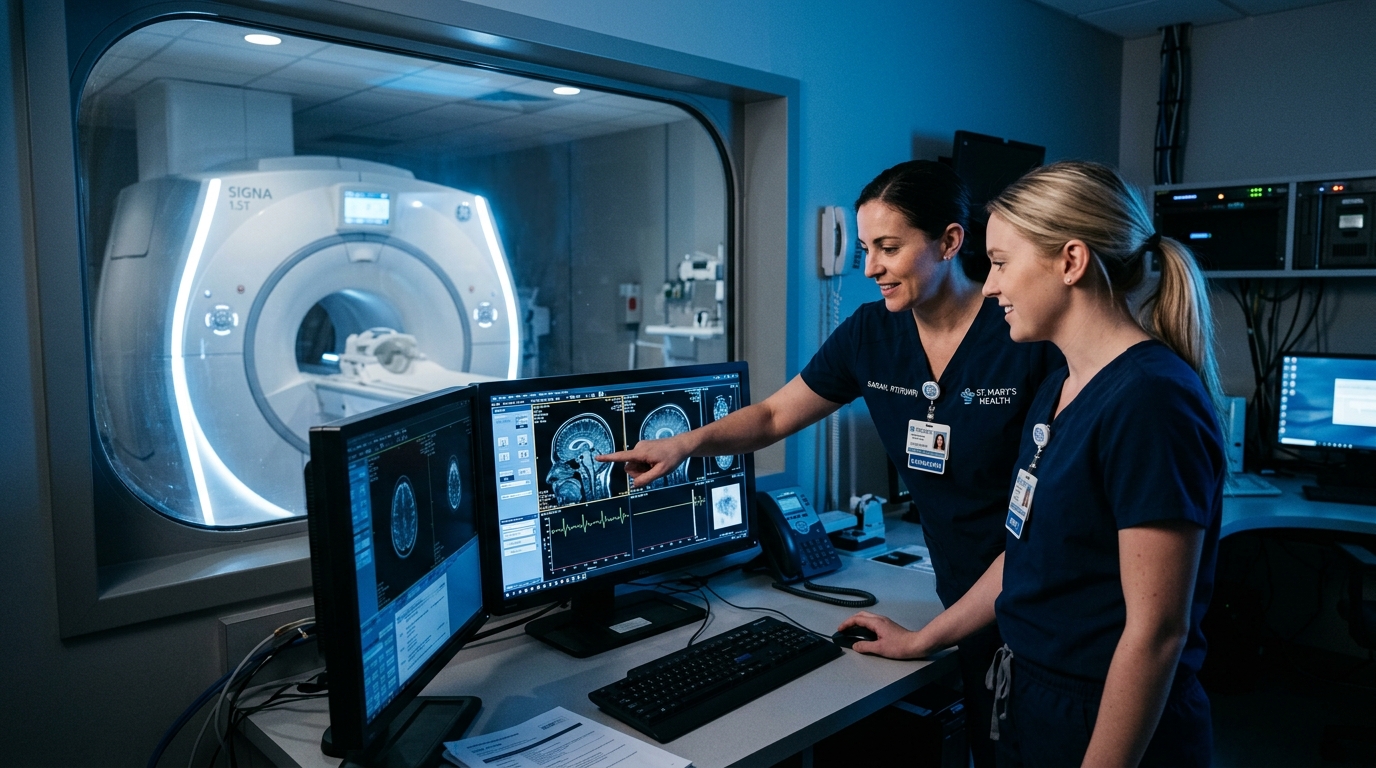
It was 2015, and our department was hemorrhaging CT techs. Everyone was burned out on the same two procedures, day after day. The radiologists were frustrated, the admin was frustrated, and frankly, we were all just stuck. I was one of the few people certified in both CT and general radiography, and my manager started asking me to pick up shifts on different modalities. At first, I resisted. I'd carved out my niche in CT—I was good at it, comfortable with it, and didn't want to be "okay" at multiple things.
But something unexpected happened. When I started rotating between CT and fluoroscopy, suddenly I wasn't dreading work. The day changed. I saw imaging problems from different angles. My frustration with how CT technologists approached certain exams shifted when I was actually standing at the fluoroscopy table. And my coworkers? They started respecting my opinion more because I understood their workflow, their constraints, their headaches.
That's when I got it. Cross-training isn't a staffing band-aid. When you do it right, it's a retention strategy that actually works.
The Real Benefits (Beyond "We Need Coverage")
Yes, scheduling flexibility is a benefit. On a Monday when your MRI tech calls in sick and your CT tech can do basic MRI positioning, you don't immediately call in someone on their day off. But that's honestly the weakest reason to cross-train, and techs can smell that a mile away.
The actual benefits are way more valuable.
First, there's competency growth and professional development. A tech who's only ever done general radiography has a narrow understanding of imaging principles. When they cross-train in CT, they suddenly understand volumetric acquisition, reconstruction algorithms, and how radiation dose actually accumulates. They become a more knowledgeable technologist across the board. I've seen general rad techs move into CT and bring genuinely innovative positioning ideas that CT-only techs had never considered. Diversity of experience creates innovation.
Second—and I can't overstate this—there's engagement. The human brain needs novelty and variety. A tech who's been doing chest X-rays for six years gets bored. Neurologically, their dopamine levels are flatlining. Cross-training reintroduces challenge, newness, and the small wins of getting better at something unfamiliar. I've literally watched techs who were actively job-hunting become engaged again once they started rotating modalities. One of my mentees, Sarah, was on her way out the door after five years of pure fluoroscopy. We got her into our CT rotation program, and within six months, she renewed her contract. She told me recently, "Having two modalities doesn't feel like twice the work—it feels like I have two jobs I actually like."
Third, there's resilience. A tech who can only run one machine is a liability to themselves and the department. What happens when they get repetitive strain injury in their wrist? What if new technology in their primary modality makes them anxious? A cross-trained tech has options and agency. They're not locked into one role that might become impossible for them physically or mentally.
And finally, there's an underrated benefit: mentorship development. When you cross-train someone, you're usually doing it with a senior tech or educator. That relationship, that proximity to experienced knowledge, creates natural mentoring. I've hired several of my cross-training mentees into permanent roles because the cross-training period basically was an extended job interview where we could assess fit, work ethic, and compatibility.
The Risks That Keep Me Up At Night
But I'm not going to pretend this is all sunshine. There are real, legitimate risks.
The biggest one is "jack of all trades, master of none." A tech who rotates between CT, MRI, and fluoroscopy might be decent at all three but excellent at none. This is particularly dangerous in advanced modalities like cardiac imaging or interventional procedures. You cannot cross-train someone into competency in these specialty areas with a casual program. If your department does complex procedures, cross-training into those areas requires serious commitment, not just "fill-in shifts."
Second, there's competency dilution. If you're cross-training someone in their primary role's off-time, you might be spreading them too thin. A tech who's mentally exhausted from learning a new modality is going to perform worse in their primary role. I've seen departments create this unintentional problem: they want cross-trained techs so badly that they pressure people to train during their regular shifts, and suddenly everyone's performing below standard everywhere.
There's also the equity issue. If cross-training becomes de facto mandatory for advancement, you're creating a two-tier system. New grad who can't handle learning three modalities while paying their student loans? Tough luck, you're not moving up. That's a recipe for losing talented people who could be great in their primary modality but don't have the bandwidth (or personality fit) for cross-training.
And honestly? There's burnout risk. A tech who can do multiple modalities becomes the department's Swiss Army knife. Need coverage? "Ask John, he can do anything." Pretty soon, that person is covering every gap, working extra shifts, burned out beyond belief. I've seen this happen to myself more than once. You have to actively protect cross-trained techs from becoming the solution to everyone's scheduling problems.
How to Structure a Program That Actually Works
If you're considering cross-training, here's what I've learned actually sticks:
Start with the right people. Not everyone is a candidate. Look for techs who are engaged, curious, and have demonstrated clinical competency in their primary role. A mediocre tech in one modality will be mediocre in three. You're looking for people who want growth, not people you're hoping will care more about their job.
Make the learning curve explicit and realistic. When you bring someone into a new modality, they need to understand: "You're going to be slow. You're going to ask a lot of questions. This is going to take six months before you're independently functional and a year before you're confident." I've seen programs collapse because techs expected to be competent in two weeks. Set expectations up front.
Pair them with the right mentor. This is non-negotiable. Find the senior tech who actually has teaching ability, patience, and the capacity to give mentorship. Not the most experienced tech—the most capable teacher. I've seen a brilliant CT tech wreck a cross-training program because they couldn't explain why they did things a certain way. They just did them that way. Meanwhile, a mid-level tech with genuine mentoring skills can produce confident, competent learners.
Don't rush certification. Your cross-trained tech doesn't need to be credentialed in modality number two by month four. Let them reach actual clinical competency first. Competency certs are useless if the tech behind them is still learning. I've seen techs get thrown into independent shifts too early, and it tanks both their confidence and the quality of their work.
Protect them from being scheduling's solution. Have explicit rules about how often cross-trained techs work their secondary modality. I recommend no more than one or two shifts per week in the secondary modality, at least in the first year. If your schedule is so broken that you need more coverage, that's a separate problem that needs hiring solutions, not cross-training abuse.
Maintain their primary competency. A tech who's spending 40% of their time cross-training might slide backward in their primary modality. Build in regular rotation back to their original area, and have radiologists give feedback specifically on whether skills are being maintained.
The Sweet Spot
The best cross-trained staff I've worked with have been on a rhythm like this: One primary modality where they spend 60-70% of their time, one secondary modality where they spend 20-30%, and some rotation based on need. After about eighteen months, if it's working, they become genuinely bimodal—comfortable and confident in two different imaging environments. They're not jacks of all trades. They're specialists who happen to have two specialties.
The engagement shift is measurable. Our department specifically tracked retention, and techs with primary and secondary modalities have stayed with us 18-24 months longer on average than single-modality techs. That's not magic. That's what happens when you give technically-minded people growth and variety.
The key word in all this is intentional. Cross-training isn't something that happens to your staff because you're short-handed. It's something you structure deliberately, with mentor investment, realistic timelines, and actual commitment to growing people rather than just covering shifts.
Done right, you get a more engaged, knowledgeable, marketable technologist who actually wants to stay. Done wrong, you get a burned-out tech who can kind of do multiple things and is exhausted by all of them.
After fifteen years, I know which version I'd rather build.
Related Articles

Burned Out as a Rad Tech? Here's How to Reignite Your Career
April 23, 2026

Managing Up: How Rad Techs Can Influence Department Decisions
April 22, 2026

How to Compete With Travel Agency Pay Without Breaking Your Budget
April 22, 2026
Quality Assurance in Radiology: Why QA Culture Affects Retention
April 21, 2026