The Rad Tech Shortage Is Getting Worse: 2026 Data Every Hiring Manager Needs
I've been working in radiology for over fifteen years, and I've never seen the job market for technologists this strained. We're not talking about the occasional staffing gap that careful scheduling can solve. We're talking about structural workforce shortages that are fundamentally changing how imaging departments operate.
The numbers for 2026 tell a story that should alarm every hiring manager, imaging director, and hospital executive. The rad tech shortage isn't leveling off. It's accelerating. And if you're not already feeling the pressure, you will be soon.
The 2026 Reality: Demand vs. Supply
Let's start with the uncomfortable truth: there simply aren't enough radiology technologists to meet demand.
The Bureau of Labor Statistics projects 7% growth in radiologic technologist positions through 2032—well above the average for all occupations. But here's the kicker: we're graduating far fewer technologists than we need to fill new positions, let alone replace those retiring. According to the American Society of Radiologic Technologists (ASRT), U.S. radiology technology programs are producing approximately 12,000-13,000 new technologists annually. Meanwhile, demand projections suggest we need closer to 15,000-16,000 new technologists per year just to maintain current service levels.
That's a gap of roughly 3,000-4,000 technologists per year that simply isn't being filled.
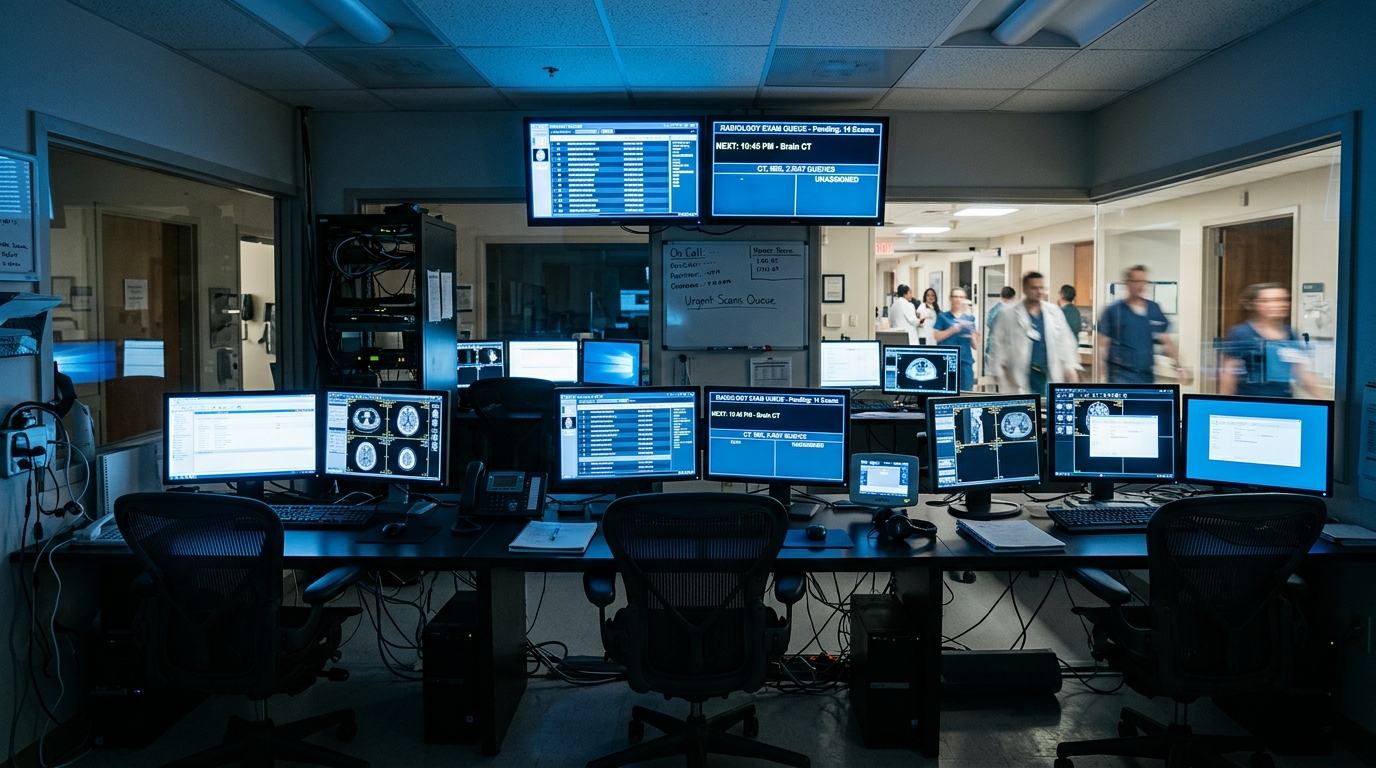
The ripple effect? Imaging departments are running skeleton crews. Wait times for non-emergency imaging studies are stretching. Technologists who remain are facing unprecedented burnout. And hospitals are competing more aggressively than ever for a shrinking talent pool.
The Retirement Wave Is Here
For years, industry experts warned about the wave of Baby Boomer radiologic technologists retiring. That wave isn't coming anymore. It's here.
The median age of practicing rad techs is now 47 years old. A significant portion of our profession—those who entered the field in the 1980s and early 1990s—are now reaching retirement eligibility. Many are taking it. According to ASRT data, approximately 12-15% of the radiology technologist workforce is eligible to retire within the next 3-5 years. Some imaging departments have lost 20-30% of their senior staff in the past two years alone.
The experience and institutional knowledge walking out the door is irreplaceable in the short term. The newly licensed technologists filling these gaps are competent, but they're not at the productivity level of someone with fifteen years of experience. That creates a temporary productivity dip exactly when demand is highest.
Program Enrollment Is Declining When It Should Be Surging
Here's where the crisis becomes predictable: we've had warning signs for a decade, but enrollment in radiology technology programs is actually declining.
As of 2025-2026, enrollment in accredited radiologic technology programs dropped another 8% compared to the previous year, continuing a troubling five-year trend. Program directors cite multiple reasons: the profession's demanding physical requirements, exposure to radiation (despite strict safety protocols), the emotional toll of working in oncology and trauma imaging, and—frankly—that better-paying healthcare alternatives exist.
A new graduate can take a hospital floor nursing role or respiratory therapy position and earn similar or better compensation without the radiation exposure. From a pure career choice perspective, it's rational. But it means imaging programs across the country have fewer applicants than seats available. Some programs are struggling to fill cohorts.
The lag time between enrollment decline and actual shortage is brutal. It takes 2-4 years to complete an accredited rad tech program. If enrollment starts dropping today, you won't feel the staffing impact for another two to four years—at which point it's already too late to adjust hiring plans.
Demand Is Expanding on Every Front
Meanwhile, the reasons we need more technologists are multiplying.
Aging population demographics mean more imaging. A 75-year-old receives roughly 2.5x more radiologic examinations per year than a 45-year-old. As America ages, imaging volume naturally increases. The U.S. population aged 65 and older is projected to grow by 34% by 2030.
New imaging technologies and protocols are expanding the scope of what we image. Advanced imaging techniques like spectral CT, molecular imaging, and AI-assisted diagnostics are creating demand for specialized technologists. Imaging guidelines continue to expand screening protocols for cancer detection. Interventional radiology has become a first-line treatment option for many conditions that previously required surgery, exponentially increasing demand for IR technologists specifically.
And then there's the lingering effect of COVID-era deferrals. Many patients postponed routine imaging. We're still working through that backlog, and in many departments, that backlog isn't actually clearing—new demand keeps piling on top of it.
Specialty Shortages Are Particularly Acute
The overall shortage isn't evenly distributed. Some specialties are experiencing crisis-level staffing gaps.
MRI technologists are in especially short supply. The six-month MRI certification adds an additional barrier to entry, and many technologists who could certify in MRI are choosing not to because of the specialty's demanding pace and high burnout rates. MRI wait times at many major medical centers have doubled or tripled in the past 18 months.
Interventional radiology technologists are another critical shortage area. IR is expanding rapidly as a treatment modality, but there aren't enough trained technologists to support the growth. Many departments have had to limit IR case volume because they simply don't have the staff.
Nuclear medicine technologists and sonographers are facing similar pressures. The specialized certifications required for these roles create barriers to entry, and the relatively small total workforce means any retirements create immediate gaps.
Geographic Disparities Are Making the Problem Worse
The shortage isn't just national—it's regionally acute in certain areas.
Rural and underserved areas are particularly hard-hit. A technologist in a rural hospital faces longer shifts, fewer colleagues to cover call, less access to continuing education, and often lower pay than their urban counterparts. The natural result: rural imaging departments are chronically understaffed, and recruitment is nearly impossible.
Even within major metropolitan areas, certain regions are hit harder than others. The Great Plains and upper Midwest are experiencing particularly severe shortages, with some departments reporting vacancies they've been unable to fill for 12+ months.
Urban centers with better pay and multiple imaging centers create intense competition. A hospital might advertise a position and receive dozens of applications—except those applicants are from surrounding areas, which then loses technologists to that major center, which shifts the shortage problem to a different region.
What This Means for Compensation and Competition
The shortage is already reshaping compensation.
Sign-on bonuses for radiologic technologists have increased 40-60% since 2023. Some departments are now offering $8,000-$15,000 bonuses just to join an understaffed department. Annual salaries for experienced technologists have increased 12-18% in major markets. Shift differentials for nights and weekends are climbing.
This creates a bidding war for talent. A technologist with five years of experience can shop their resume and command premium compensation. Departments with better-resourced budgets can hire away technologists from their competitors.
The cruel irony: as compensation increases, it puts pressure on smaller facilities and rural hospitals that can't compete with major medical centers. This further concentrates experienced technologists in large urban settings, deepening shortages elsewhere.
The Productivity and Quality Implications
Beyond compensation, the shortage is fundamentally changing how we work.
Imaging departments are asking fewer technologists to handle more volume. That creates safety concerns. Fatigued technologists make mistakes. Patient positioning isn't as precise. Repeat rates increase. In a field where precision directly affects diagnostic quality, corner-cutting isn't just inefficient—it impacts patient care.
Some departments are implementing mandatory overtime. Others are going understaffed by 15-20% and simply accepting longer wait times for non-emergent studies. A few have implemented AI-assisted image analysis and workflow automation, which helps but can't replace a trained human technologist.
The reality is unsustainable. You can't indefinitely run imaging departments at 80-85% capacity. Quality suffers, burn-out accelerates, and you end up losing more technologists.
What Hiring Managers Need to Do Right Now
If you're leading an imaging department, 2026 is the year to act decisively.
First, assess your vulnerability. How many technologists are within 5-10 years of retirement age? What's your turnover rate? Are you behind on staffing right now, or are you operating with a thin margin? Be honest about where you stand.
Second, invest in recruitment and retention now. Post positions aggressively. Offer competitive compensation aligned with your market. Consider sign-on bonuses if you're experiencing hard-to-fill vacancies. More importantly, focus on retention through professional development, flexible scheduling, and addressing burnout before it drives people out.
Third, build partnerships with radiology technology programs. Offer internship opportunities. Sponsor students. Create mentorship pathways. You can't control national enrollment rates, but you can help develop the next generation of technologists in your region.
Fourth, consider workflow restructuring. Can you implement AI-assisted image analysis to reduce technologist workload? Can you cross-train technologists to increase flexibility? Can you adjust scheduling to reduce back-to-back shift demands?
Fifth, think long-term about staffing models. Some departments are experimenting with traveling technologist pools and per-diem staffing. Others are investing in recruitment bonuses that are smaller than you'd expect because they're creating a pipeline of steady applicants.
The Bottom Line
The radiology technologist shortage in 2026 isn't a recruiting challenge. It's a structural workforce crisis that will define imaging operations for the next decade. The departments that acknowledge this reality and invest aggressively in recruitment, retention, and process optimization will survive with quality intact. Those that wait for the market to correct itself will find themselves running at diminished capacity, losing experienced staff to burnout, and delivering suboptimal care.
The data is clear. The trend is unmistakable. The time to act is now—not next year, not when your vacancy reaches 20%, but today. The departments winning the competition for technologist talent are already moving. Yours should be too.
Ready to attract top rad tech talent to your department? Post your position on RT Job Bank and reach thousands of active job-seekers in the radiology community. Our targeted reach means you're not competing with generic healthcare job boards—you're connecting directly with technologists actively looking to advance their careers. Post Your Opportunity Today
Related Articles

Burned Out as a Rad Tech? Here's How to Reignite Your Career
April 23, 2026

Managing Up: How Rad Techs Can Influence Department Decisions
April 22, 2026

How to Compete With Travel Agency Pay Without Breaking Your Budget
April 22, 2026

Travel Rad Tech Life: The Honest Pros and Cons Nobody Tells You
April 21, 2026