From Rad Tech to Radiology Administrator: Career Paths in Imaging Leadership
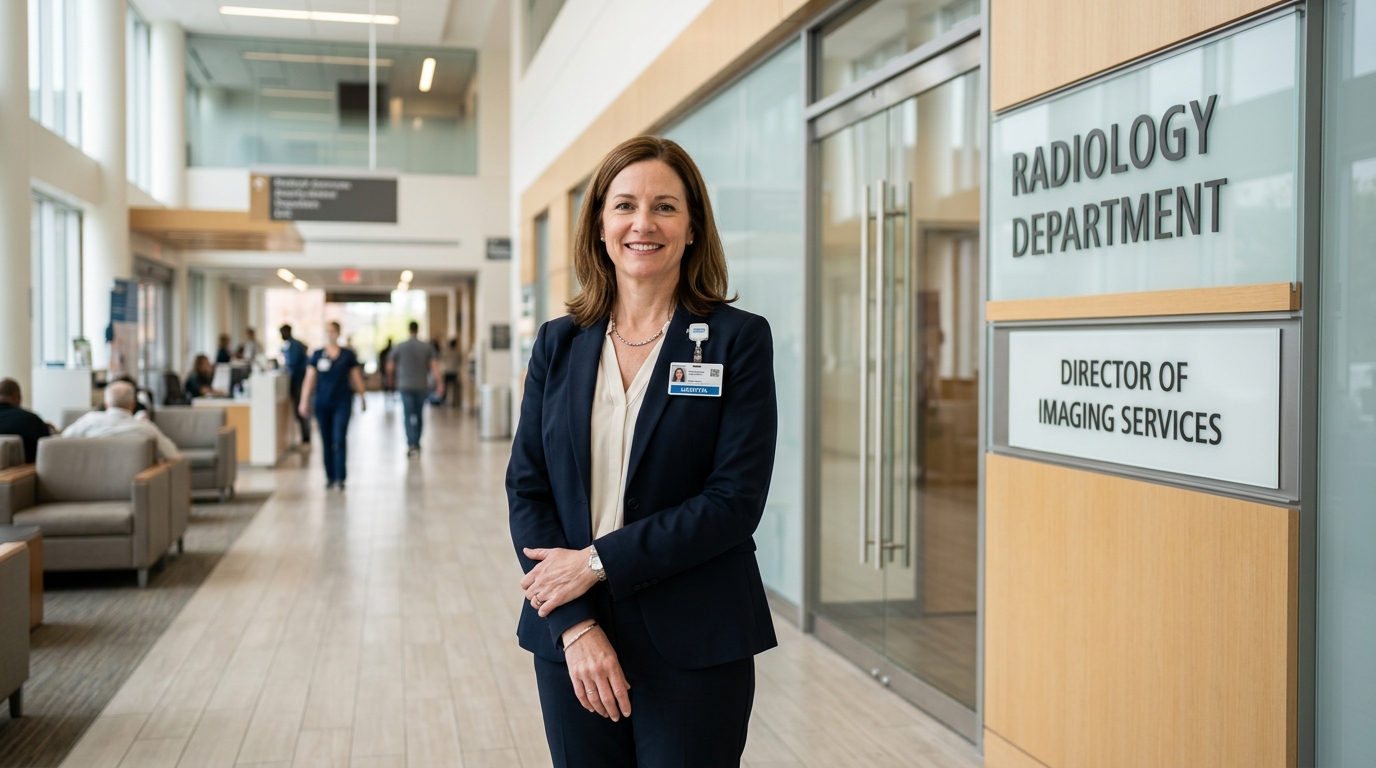
I started my career in 1997 as a wide-eyed 22-year-old in the CT department of a regional hospital in Wisconsin. I was good at it—really good. I picked up protocols fast, I could position patients even when they were difficult, and I had that strange gift where patient anxiety actually went down when I walked in the room. By 2008, I was training other techs. By 2015, I had people asking if I'd thought about "moving into management."
I'd be lying if I said the question didn't appeal to me. More money, presumably more respect, regular office hours, no more 2 a.m. callbacks for trauma activations. But here's what I discovered: the transition from rad tech to radiology administrator isn't a simple climb up a ladder. It's more like a sideways jump into a completely different sport.
The Thing They Don't Tell You About Leaving Clinical
Around 2016, I started spending more time in administrative meetings. My manager asked me to help with workflow optimization, scheduling issues, and training protocols. I figured I was being groomed for a leadership role. I wasn't entirely wrong, but I also didn't understand what I was actually signing up for.
The first shock was discovering how much I actually loved being a technologist. I know that sounds obvious, but it's not. When you're great at something technical—when you can nail a difficult shoulder MRI or troubleshoot a scanner problem—there's a satisfaction that's almost physical. The problem you're solving is concrete. You fix it, and the patient leaves better.
Administration is nothing like that. Your problems are abstraction on top of abstraction. You're solving human dynamics, insurance coding issues, equipment vendor negotiations, and staffing gaps that don't have clean solutions. I'd come home from a management meeting where I'd spent two hours debating call-off policies and think, "I could've done 25 CT scans today and actually helped people."
This isn't a complaint, exactly. It's just the reality that most experienced techs don't anticipate. You're not leaving a technical career and moving up. You're leaving a career where you're hands-on and moving into one where you're strategic. Those require different brains.
The Education Reality
Here's where it gets tricky. If you want to move into radiology administration, you're probably going to need more credentials. Most hospital systems now require at least a bachelor's degree for supervisory roles, and many larger institutions want an MBA or a Master's in Health Administration.
I was fortunate. My hospital supported tuition reimbursement, and I was able to do an online MBA while still working part-time. That was... rough. I'm not going to romanticize it. I spent three years doing clinical work, going to management meetings, and writing papers on healthcare economics at 11 p.m. on Thursdays. My marriage survived it, but just barely.
The good news? That degree opened doors. Not because I learned revolutionary things in class—honestly, a lot of the MBA coursework felt disconnected from the actual problems I was dealing with—but because the credential signaled to HR that I was serious about the career shift. Many systems won't promote you into administration without it.
Some techs do it the other way: they get the degree first, then transition. That can actually be smarter if you're young enough to absorb the tuition. I know a guy, Marcus, who got his bachelor's in healthcare administration while still working full-time as an MRI tech. Took him four years, but when he was done, he had way more options. He didn't have to stay at his original hospital. He could interview for director-level positions at bigger systems.
The Money Conversation
Let's talk about what nobody discusses directly: does administration actually pay better? The answer is annoyingly complicated.
When I made the jump from full-time clinical tech to supervisor, my base salary went up about 12%. Not huge, but noticeable. Add in the loss of shift differentials (I'd been working nights and weekends, which tacks on 10-15%), and the actual increase was closer to 2%. For the first year, I effectively made less money because I wasn't picking up overtime.
But here's where it got interesting: as I moved up into actual administration—senior supervisor, then director level—the salary gap widened. By 2023, when I was in a director role, I was making roughly 40% more than I was as a full-time clinical tech at the top of the pay scale. However, that took seven years to achieve.
There's also the rad tech signing bonus conversation. When the rad tech shortage gets acute—and we're in one of those periods right now—hospitals start throwing money at experienced techs to stay clinical. I had friends who turned down administration offers because they could make more money pulling shifts. That's real, and it changes the calculus.
If money is your primary driver, think carefully before you move. You might be better off staying clinical, working overtime, and picking up per diem shifts at other facilities. A lot of experienced MRI and CT techs make excellent income without ever leaving the scanner room.
What Actually Changed (Besides the Paycheck)
The biggest shift for me wasn't financial. It was the nature of the problems I solved.
As a tech, I was dealing with individual patients and immediate issues. As an administrator, I was dealing with systems and populations. I went from "this patient is claustrophobic" to "how do we reduce anxiety-related no-shows across all our MRI appointments." From "this equipment isn't working" to "what's the ROI on upgrading this CT scanner versus replacing it in three years."
Some days, I genuinely missed the simplicity of clinical work. Other days, I loved it. I like building things. I like creating systems that make other people's jobs easier. I like strategic thinking. But I don't love sitting in meetings about metrics that feel disconnected from actual patient care.
I also discovered that I'm not naturally good at some parts of administration. I have to work hard at the political navigation. I'm not naturally diplomatic. When something's a bad idea, I still have a tendency to say so directly, which doesn't always play well in hospital administration. I've had to develop skills that didn't matter as a tech: managing up, reading between the lines, understanding institutional politics.
The shift also cost me something I didn't anticipate: the camaraderie of the clinical staff. I wasn't "one of them" anymore. When techs were venting about management decisions, I was now "management." It's a subtle shift, but it's real, and some techs I'd worked with for years kept a certain distance after I moved into my supervisor role.
Is It Actually the Next Step?
This is where I get real with people who ask me this question: administration isn't the "next step" up from being a tech. It's a different career entirely.
Some people are called to it. They get energized by solving bigger-picture problems, by building culture and systems, by mentoring other people into leadership roles. Those people should absolutely make the jump.
Other people are called to clinical excellence. They want to be the best MRI tech in their region. They want to be known for their skill and their ability to handle difficult patients. They want immediate, tangible results from their work. If that's you, stay clinical. There's nothing wrong with that, and you might actually be happier—and make more money—staying where you are.
I've seen techs make the jump into administration and regret it after a couple of years. They miss the clinical side too much. I've also seen techs refuse to move into administration and build entire careers as senior technologists, training new people, specializing in complex imaging protocols, becoming the reference point for their entire department. Those people are just as valuable as anyone with "director" in their title.
The real question isn't "is this the next step." It's "do I actually want to do this kind of work for the next 20 years?" If the answer is yes, go for it. But make sure you're honest with yourself about what you're trading and what you're gaining.
The Path if You Decide to Go For It
If you're still interested, here's what I'd recommend:
First, seek out informal leadership opportunities in your current role. Take on a training role. Volunteer for the scheduling committee. Help develop new protocols. Get a feel for whether you actually enjoy this kind of work without committing to a full career shift.
Second, get the education before you move. Don't try to do both simultaneously unless your life is unusually flexible. If you're going to get an MBA or a master's in health administration, do it first, then look for director-track roles.
Third, network intentionally. Meet with other administrators. Ask them what they love and what they hate. Visit departments at other hospitals. Start to understand how different systems and different institutions approach these problems. Your first administrative job will be shaped by that institution, and some are way better to work in than others.
Finally, be honest about timing. The rad tech shortage means experienced techs are in incredibly high demand right now. You have leverage. Don't move into administration because you feel like you "should." Move because you actually want to build something different.
I don't regret the move. I'm glad I made it. But I also recognize that I probably would've been just as happy—and maybe even happier—staying clinical and pursuing advanced certifications in imaging. That's a legitimate path too. The key is choosing consciously, not by default.
Related Articles

Burned Out as a Rad Tech? Here's How to Reignite Your Career
April 23, 2026

Managing Up: How Rad Techs Can Influence Department Decisions
April 22, 2026

How to Compete With Travel Agency Pay Without Breaking Your Budget
April 22, 2026
Quality Assurance in Radiology: Why QA Culture Affects Retention
April 21, 2026